
Las Terrenas, located on the northeastern coast of the Dominican Republic in Samaná province, has a fascinating journey that reflects cultural change, perseverance, and transformation into a beloved beach destination. What was once a remote fishing village is now a vibrant coastal town known for its natural beauty and active lifestyle.
The Founding: A Village by the Sea (1946)
The modern history of Las Terrenas begins in 1946, when Dominican president Rafael Leónidas Trujillo ordered rural residents from Santo Domingo to resettle in the area as farmers and fishermen. At that time, Las Terrenas was an isolated settlement with rough trails linking it to nearby communities.
The name Las Terrenas is believed to come from the French term la terrienne (meaning “the landowner”), reflecting early European influence in the region.
A Life Without Modern Convenience
For decades after its founding, Las Terrenas remained a humble and largely undeveloped village. There were no paved roads, electricity, or telephone lines, and transportation was challenging. The road to the nearby town of Sánchez was only paved in 1989, and electricity didn’t arrive until 1994, marking a turning point in the town’s connection to the rest of the country.
Daily life revolved around fishing, small‑scale farming, and a close connection to the sea — a way of life shaped by the rhythms of nature and community cooperation.
Cultural Evolution and Early Tourism (1970s–1980s)
In the 1970s, the arrival of foreigners — starting with French and other Europeans — slowly began to influence the local culture and economy. Their presence marked a shift: Las Terrenas was no longer only a fishing village, but also a place where diverse traditions intersected.
One of the earliest developments was hospitality infrastructure, with small hotels and guesthouses beginning to open, providing services to travelers and adventurers drawn by the natural beauty of the coastline.
Growth, Connectivity, and Modernization (1990s–2000s)
With improved infrastructure — paved roads, better communication, and eventual connection to electricity — Las Terrenas became easier to reach and more appealing to visitors and investors alike.
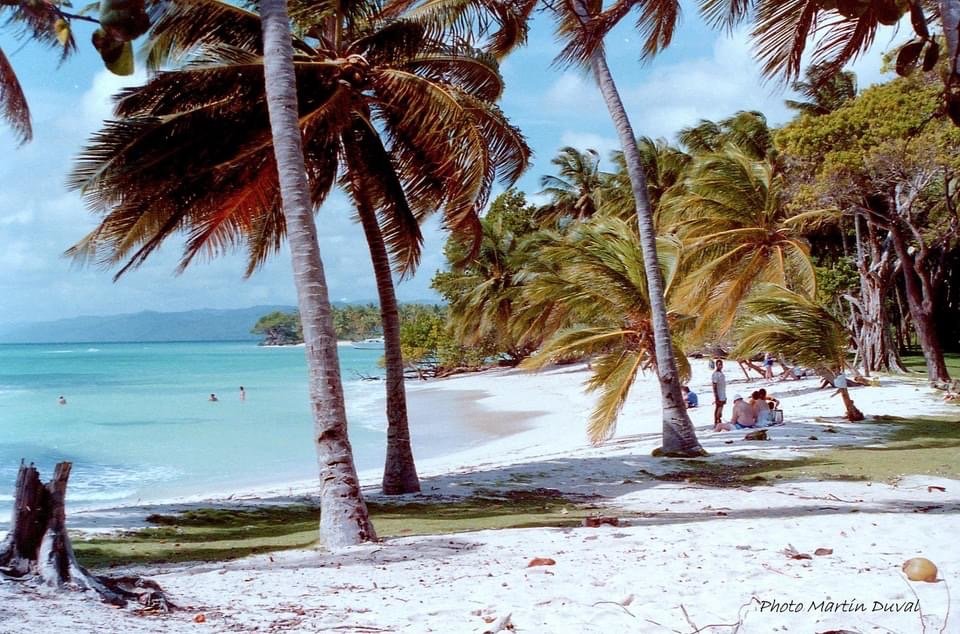
As more people discovered the town’s white sand beaches, turquoise waters and relaxed Caribbean vibe, small businesses, restaurants and lodging options began to take root. The influence of European expatriates continued to grow, blending with Dominican culture to shape a distinctive local identity.
The Transformation Into a Coastal Destination
Over recent decades, the town has evolved into a sought‑after destination for international travelers. Its stunning shoreline, unparalleled natural settings, and welcoming atmosphere have made Las Terrenas a popular choice for beachgoers, water sports enthusiasts, and lifestyle travelers seeking both relaxation and adventure.
Today, Las Terrenas blends local Dominican heritage with influences from across the world, creating a community rich in diversity and vibrant in culture. Its evolution from a humble fishing village to an international coastal gem reflects not only economic change but also cultural fusion and global connection.
Legacy and What Las Terrenas Is Today
Although Las Terrenas has grown, it has retained much of the charm and beauty that made it special in the first place. The town still offers a direct connection to the sea, stunning beaches, and an authentic Caribbean spirit — all while welcoming visitors from around the globe.
For many, Las Terrenas represents a balance between serenity and adventure, where history, culture, and nature create a unique and memorable experience.
Live the Las Terrenas Lifestyle With Us
At Estilo de Vida, we’re located right here in Las Terrenas — a town with deep historical roots and an irresistible ocean vibe. Whether you’re exploring kitesurfing, wingfoil, surf, or eFoil, our school connects you with the very essence of this incredible destination.
Discover our experiences and start your adventure here.